-
About us
![About us]()
-
Light Rail System
![Light Rail System]()
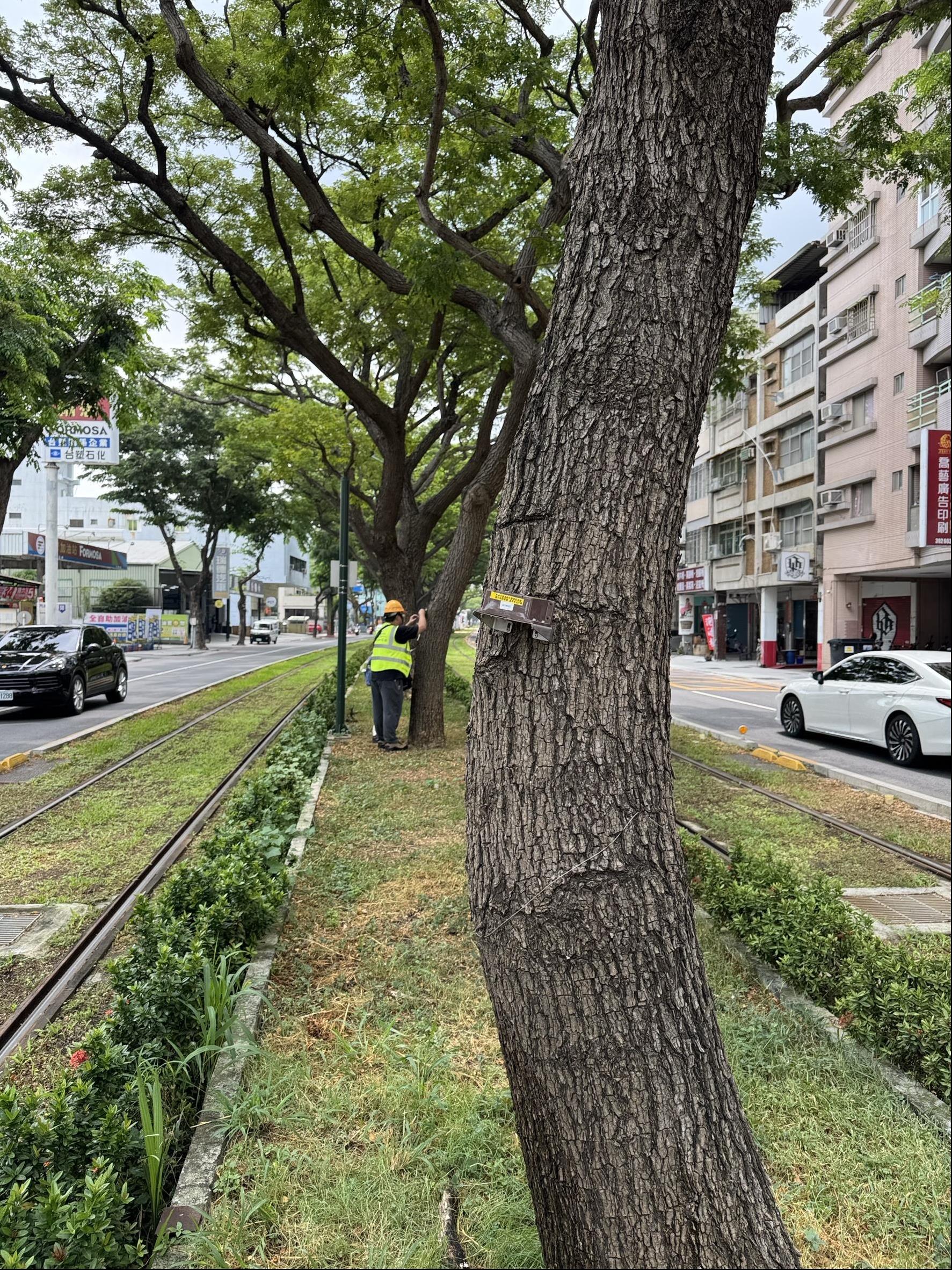
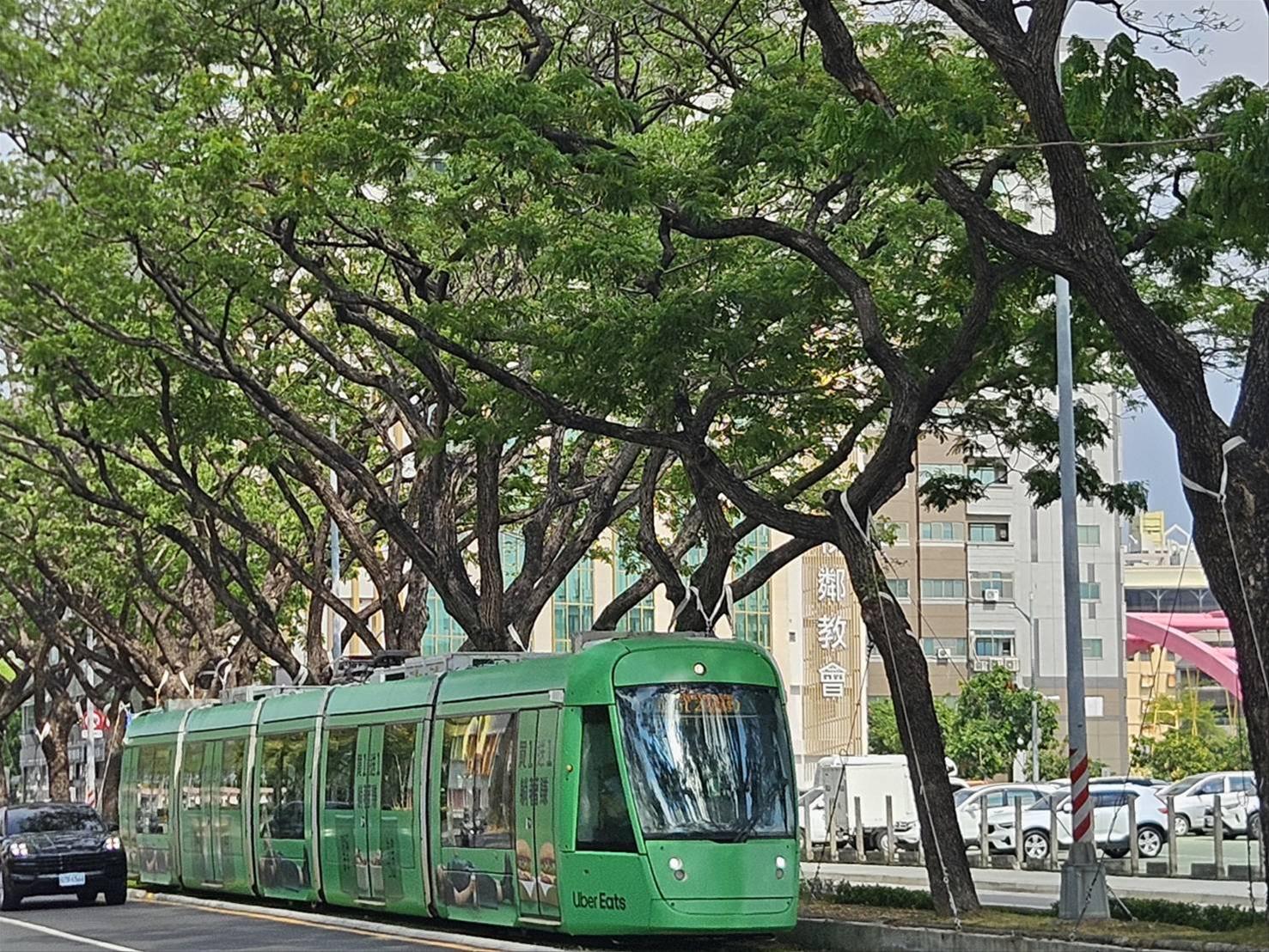
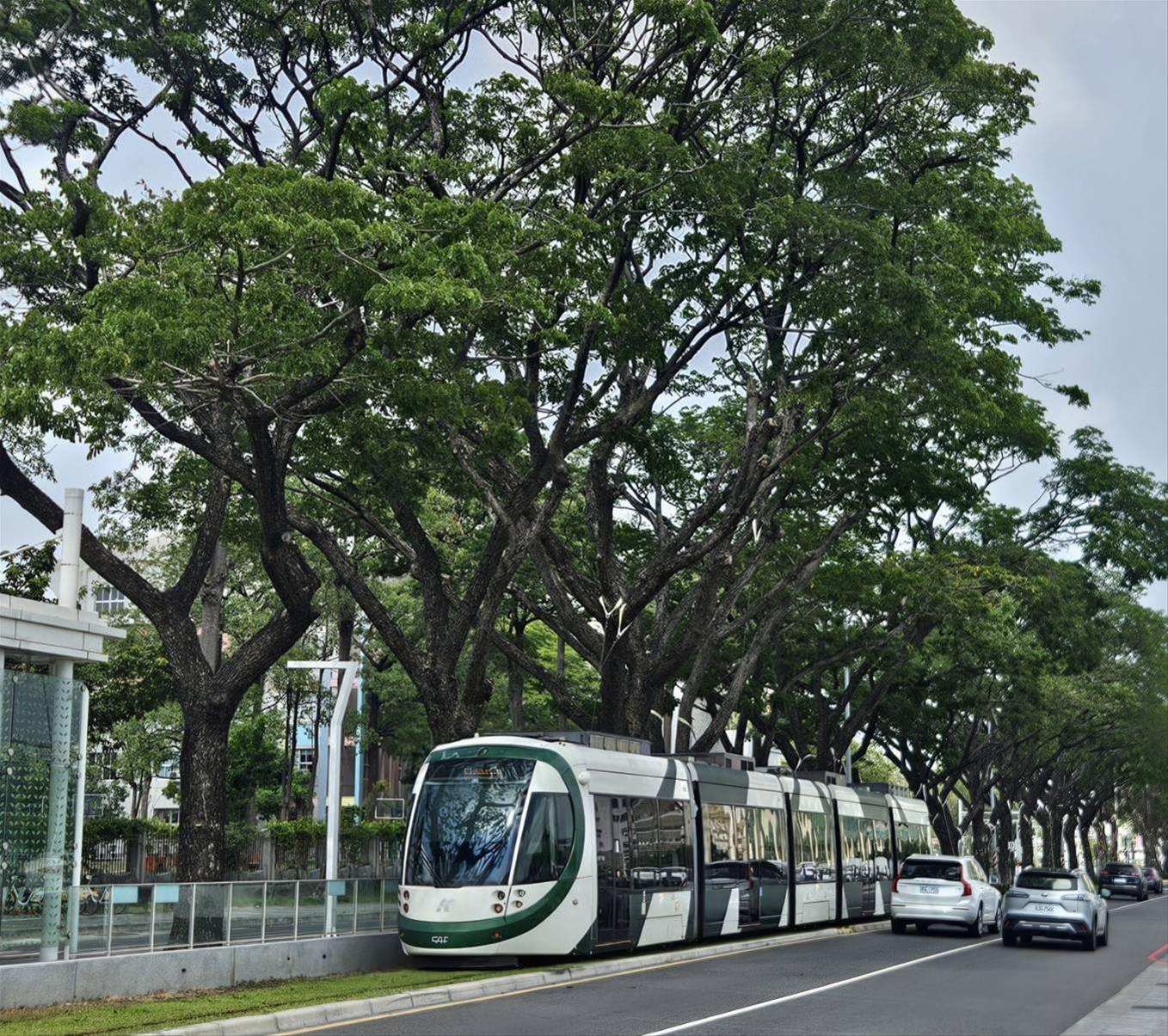
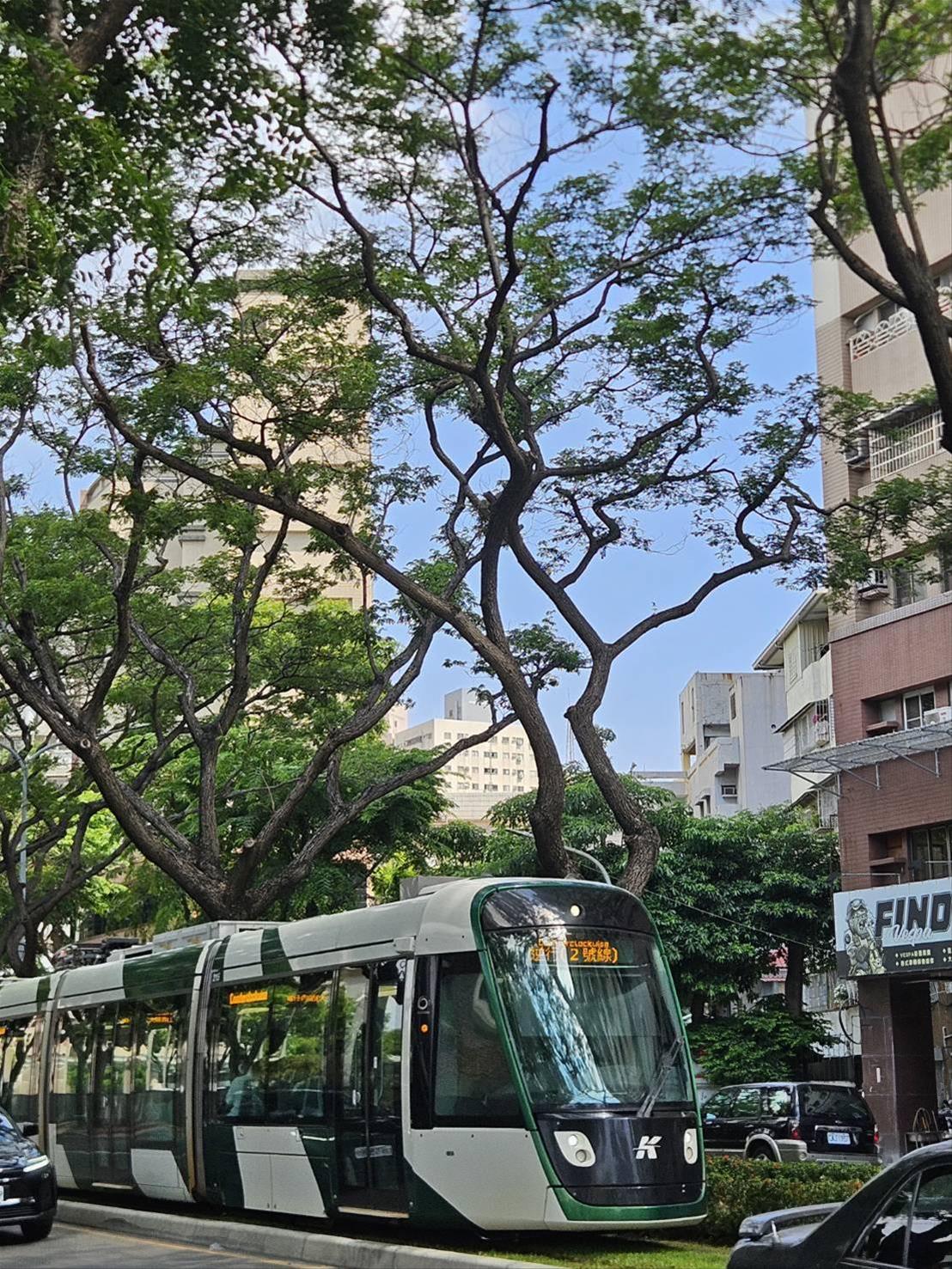
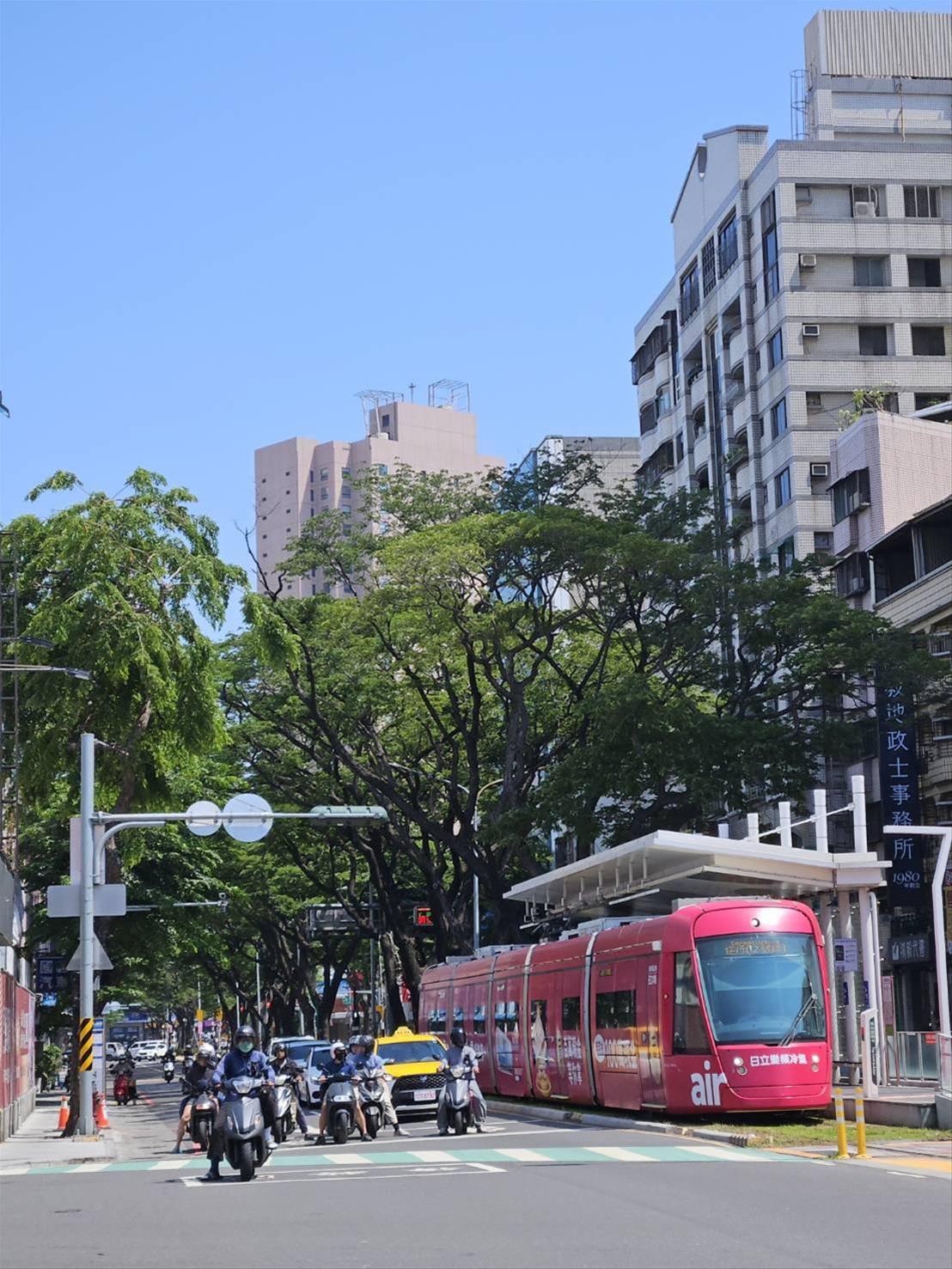
According to the latest local government performance survey released by Global Views Monthly, Kaohsiung ranked first among Taiwan's six special municipalities in the Roads and Transportation category, with a public satisfaction rating of 66.7%. In recent years, the completion of the city's circular light rail system and the simultaneous development of four MRT lines have significantly enhanced Kaohsiung's public transportation network. The city has also introduced AI-powered traffic management systems that have successfully reduced post-concert crowd dispersal times, earning widespread public recognition. Building on these achievements, the Kaohsiung City Government's Mass Rapid Transit Bureau has extended AI technology to the management of roadside trees along the light rail corridor. The new system is designed to mitigate the risk of broken branches and fallen trees caused by typhoons and heavy rainfall, monitoring 177 rain trees along Dashun Road and 23 Madagascar Almond trees along Meishuguan Road to further enhance operational safety and strengthen the resilience of the city's green transportation system.
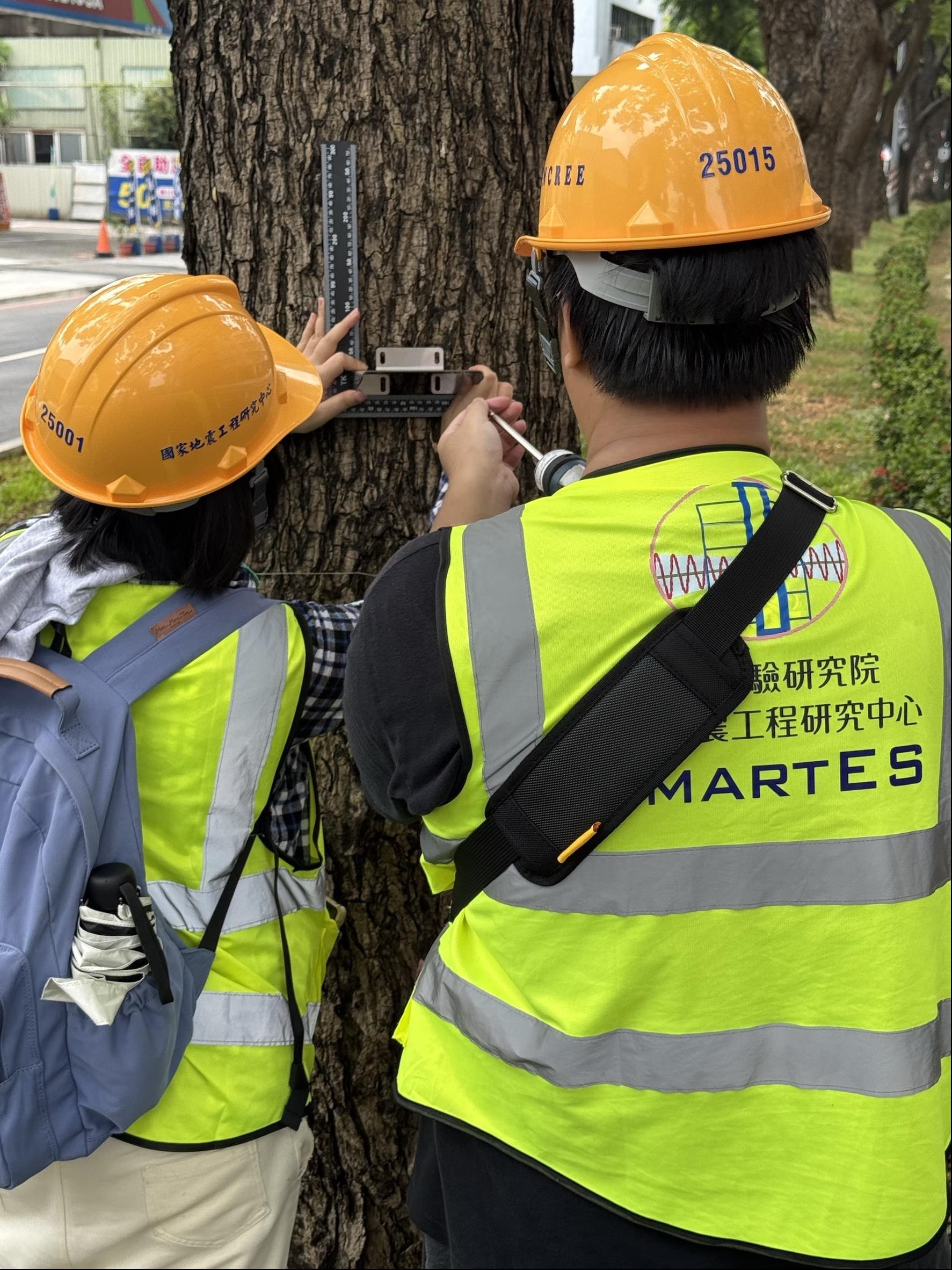
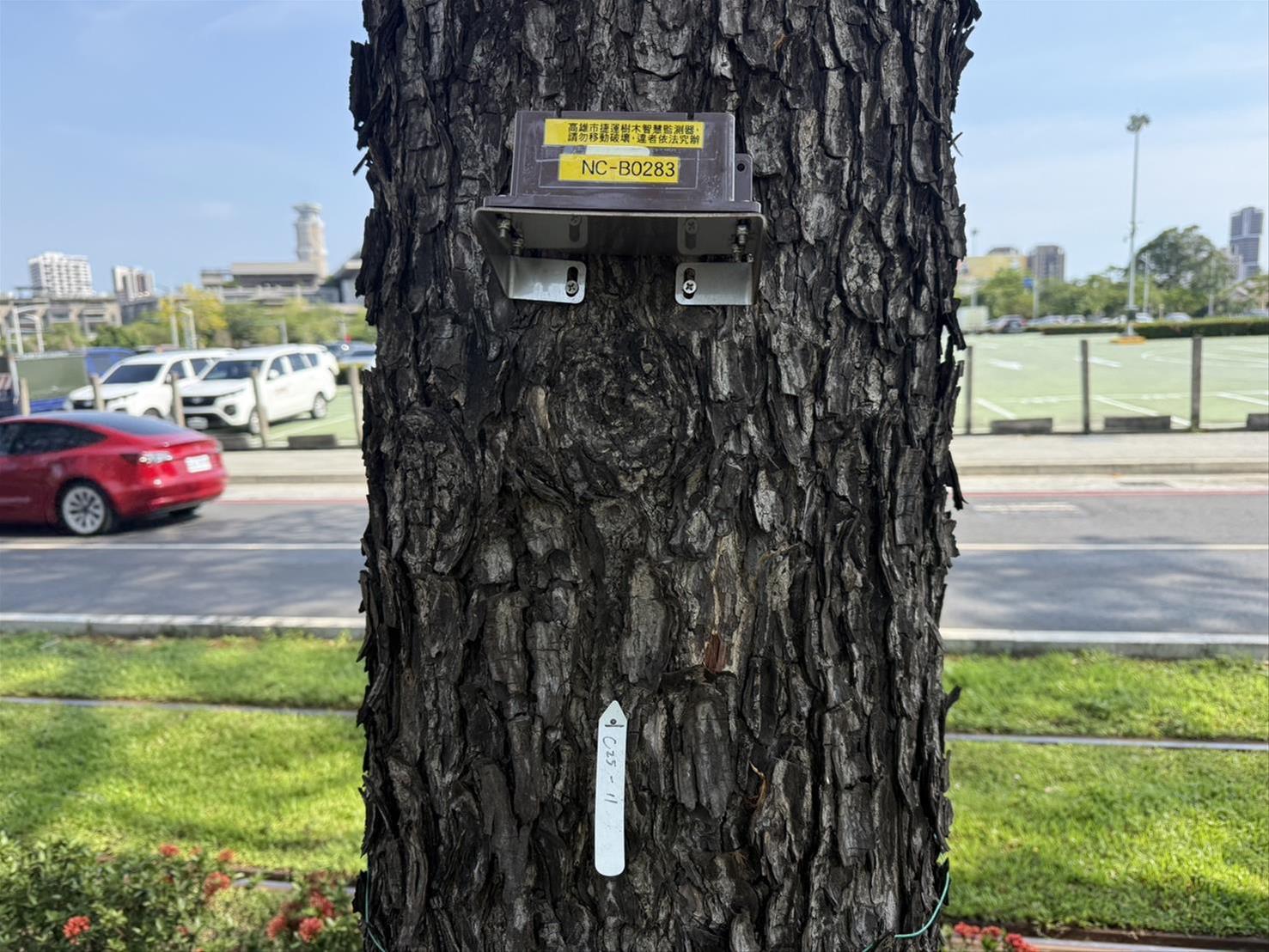
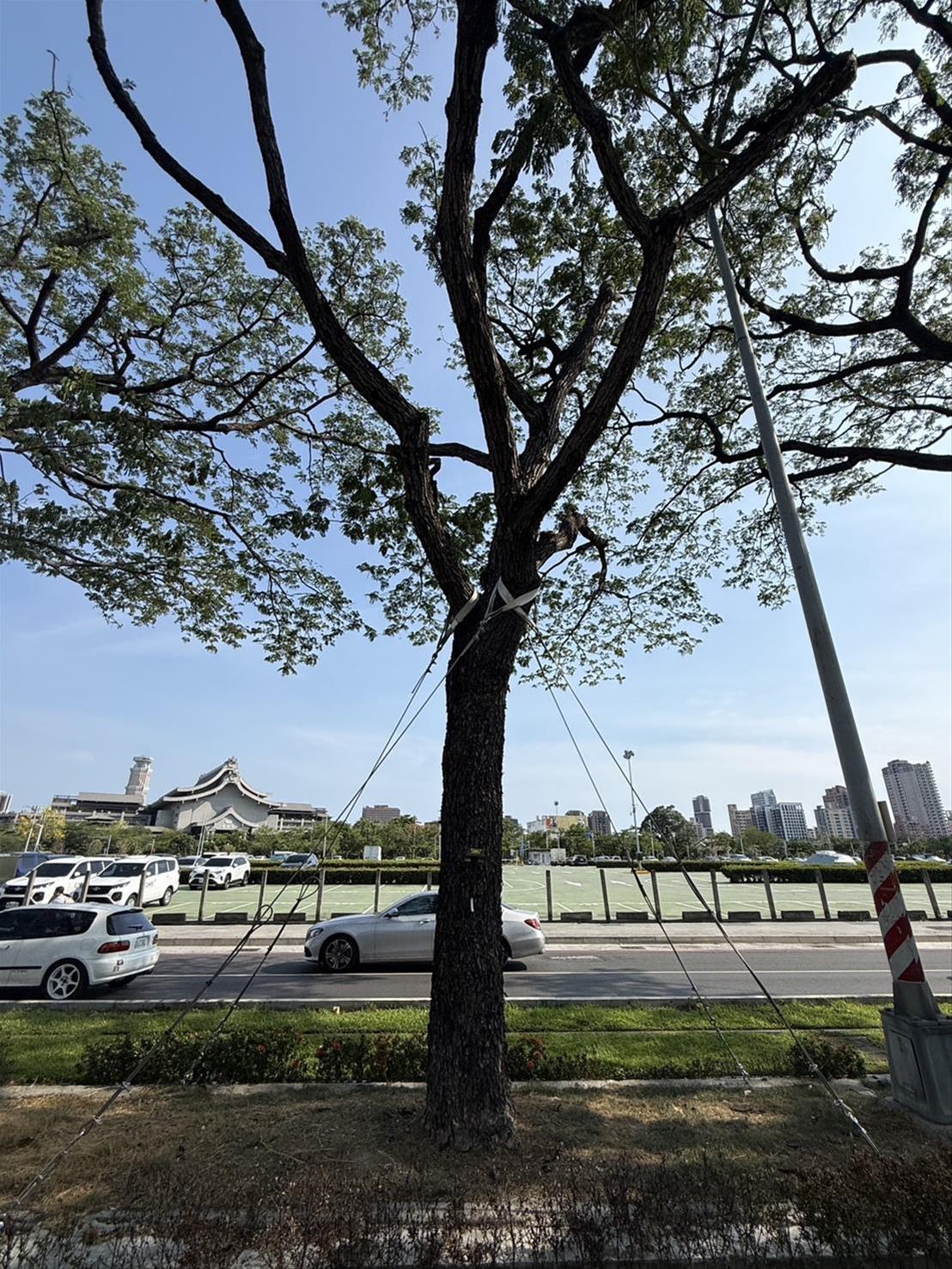
The AI Smart Tree Monitoring System, installed at the light rail Operations Control Center, works in conjunction with tilt sensors developed by the National Center for Research on Earthquake Engineering (NCREE) to continuously monitor the inclination of roadside trees in real time. Powered by solar energy, each sensor can operate for more than a year on a full charge and currently transmits data once every hour. When a tree's tilt exceeds preset warning thresholds of 2.5 degrees or 5 degrees, the system automatically issues alerts via text message, LINE, and email to the Mass Rapid Transit Bureau, the Operations Control Center, and NCREE. The affected tree's identification number and location are simultaneously displayed on a digital map for rapid response. The system can also detect changes in tree alignment following pruning, allowing maintenance personnel to evaluate the effectiveness of corrective work. In addition, the bureau carries out preventive pruning and reinforcement of roadside trees before typhoons to help ensure safe light rail operations.
If the system detects an abnormal tree condition, the Operations Control Center immediately notifies all light rail operators via radio to reduce speed and exercise caution, minimizing the risk of collisions. Maintenance personnel are dispatched to inspect the site, assess whether a tree has fallen or poses a threat to rail operations, and implement reinforcement or pruning measures as needed. According to Director-General Wu Chia-Chang of the Mass Rapid Transit Bureau, the AI monitoring system represents another step forward in modernizing light rail operations and maintenance. In addition to shortening emergency response times and reducing the need for labor-intensive inspections, the system demonstrates how advanced technology can protect both sustainable public transportation and the urban environment. Looking ahead, the bureau will continue leveraging the Internet of Things (IoT) and artificial intelligence to advance smart transportation and support the sustainable development of Kaohsiung's public transit system.